You can be laid off while receiving workers’ compensation in New York, but not because you were injured or filed a claim.
Your workers’ compensation benefits typically continue even if you lose your job, unless your employer can show another legitimate reason for termination unrelated to your claim. That said, a layoff during a workers’ comp claim can still raise questions, especially if the timing feels suspicious or you’re unsure how it affects your wage-replacement benefits.
So, what actually happens if you’re fired or if you decide to quit while on workers’ comp? Here’s what you need to know.
How Workers’ Compensation Works in New York
Workers’ compensation is designed to support workers who get hurt or sick because of their job. Right from the start, the purpose of the system is to cover medical bills and replace part of your wages if your injury keeps you from working. To access these benefits, you file a workers’ comp claim after your injury, and the New York State Workers’ Compensation Board oversees the whole process.
Because New York uses a no-fault system, you don’t have to prove your employer did something wrong for you to qualify. You do, however, have to follow all deadlines and reporting rules to avoid delays or denials.
Can You Be Laid Off While on Workers' Compensation?
Yes, in New York, you can be laid off while you’re on workers’ compensation. But it can’t be because of your injury or because you filed a claim. New York is an at-will employment state, which gives employers a lot of freedom to terminate employees for almost any lawful reason.
At-Will Employment
Because of at-will employment, your employer doesn’t have to give you a reason to let you go. That said, what matters legally is why you were let go. If the employer has legitimate business reasons (e.g., company restructuring, budget cuts, performance issues unrelated to your injury), your termination is generally legal. As mentioned above, what employers can’t do is fire you in retaliation for seeking workers’ compensation.
Contract Employees
If you’re a contract employee, your situation may look different. Employment contracts often list very specific conditions under which you can be terminated. Some contracts offer more job security, even during a workers’ compensation claim. If you’re under contract, read the terms carefully or have an attorney review your agreement so you understand what protections apply.
Can You Collect Workers’ Comp After Being Fired?
Yes. Losing your job doesn’t automatically stop your workers’ compensation benefits.
What Happens If I Get Fired While on Workers' Comp?
If you lose your job while receiving workers’ comp in New York, you still get your entitled benefits, including medical treatments and wage replacement, until your doctor says you can return to work. Your employer must continue to honor your claim.
However, if you believe your termination was tied to your injury or your claim, that’s a separate issue. Keep detailed records of conversations, emails, timelines, or any other information that might help show retaliation. It’s important to note that retaliation doesn’t always just look like a sudden firing. It may also include
- Being fired right after reporting your injury.
- Being demoted with questionable justification.
- A sudden pay cut.
- Being excluded from meetings or work opportunities you normally would attend.
If anything feels off or the timing seems suspicious, it’s worth raising with a workers’ comp attorney.
Can You Quit Your Job While on Workers' Compensation?
Yes, you’re allowed to quit your job while you’re on workers' comp, but doing so could complicate your claim. Quitting may make it harder to receive wage replacement benefits, especially if your employer or insurance company says you left voluntarily instead of being unable to work due to your injury. Although your right to medical treatment usually continues, your eligibility for ongoing wage replacement may be challenged after resigning.
You also lose access to any light-duty work your employer might offer, which can be an important part of maintaining your benefits if you’re partially able to work.
Exceptions and Situations Where Quitting May Be Less Risky
Of course, there are times when quitting is understandable or even appropriate, such as
- A hostile or retaliatory work environment.
- Unsafe working conditions that could worsen your injury.
- A doctor’s recommendation not to return to your job due to specific health risks.
How Workers’ Compensation Works in New York
Workers’ compensation is designed to support workers who get hurt or sick because of their job. Right from the start, the purpose of the system is to cover medical bills and replace part of your wages if your injury keeps you from working. To access these benefits, you file a workers’ comp claim after your injury, and the New York State Workers’ Compensation Board oversees the whole process.
Because New York uses a no-fault system, you don’t have to prove your employer did something wrong for you to qualify. You do, however, have to follow all deadlines and reporting rules to avoid delays or denials.
Can You Be Laid Off While on Workers' Compensation?
Yes, in New York, you can be laid off while you’re on workers’ compensation. But it can’t be because of your injury or because you filed a claim. New York is an at-will employment state, which gives employers a lot of freedom to terminate employees for almost any lawful reason.
At-Will Employment
Because of at-will employment, your employer doesn’t have to give you a reason to let you go. That said, what matters legally is why you were let go. If the employer has legitimate business reasons (e.g., company restructuring, budget cuts, performance issues unrelated to your injury), your termination is generally legal. As mentioned above, what employers can’t do is fire you in retaliation for seeking workers’ compensation.
Contract Employees
If you’re a contract employee, your situation may look different. Employment contracts often list very specific conditions under which you can be terminated. Some contracts offer more job security, even during a workers’ compensation claim. If you’re under contract, read the terms carefully or have an attorney review your agreement so you understand what protections apply.
Can You Collect Workers’ Comp After Being Fired?
Yes. Losing your job doesn’t automatically stop your workers’ compensation benefits.
What Happens If I Get Fired While on Workers' Comp?
If you lose your job while receiving workers’ comp in New York, you still get your entitled benefits, including medical treatments and wage replacement, until your doctor says you can return to work. Your employer must continue to honor your claim.
However, if you believe your termination was tied to your injury or your claim, that’s a separate issue. Keep detailed records of conversations, emails, timelines, or any other information that might help show retaliation. It’s important to note that retaliation doesn’t always just look like a sudden firing. It may also include
- Being fired right after reporting your injury.
- Being demoted with questionable justification.
- A sudden pay cut.
- Being excluded from meetings or work opportunities you normally would attend.
If anything feels off or the timing seems suspicious, it’s worth raising with a workers’ comp attorney.
Can You Quit Your Job While on Workers' Compensation?
Yes, you’re allowed to quit your job while you’re on workers' comp, but doing so could complicate your claim. Quitting may make it harder to receive wage replacement benefits, especially if your employer or insurance company says you left voluntarily instead of being unable to work due to your injury. Although your right to medical treatment usually continues, your eligibility for ongoing wage replacement may be challenged after resigning.
You also lose access to any light-duty work your employer might offer, which can be an important part of maintaining your benefits if you’re partially able to work.
Exceptions and Situations Where Quitting May Be Less Risky
Of course, there are times when quitting is understandable or even appropriate, such as
- A hostile or retaliatory work environment.
- Unsafe working conditions that could worsen your injury.
- A doctor’s recommendation not to return to your job due to specific health risks.
What Steps Should I Take If I’m Considering Quitting?
If you’re seriously thinking about resigning, take the following steps first:
1. Document Your Reasons for Leaving
Write down any harassment, retaliation, unsafe conditions, or medical concerns. If you’re still on the fence, consider requesting temporary leave (like FMLA) or trying mediation or HR involvement to resolve conflicts.
2. Notify Relevant Parties
If you decide to resign, do it professionally and in writing. You must also notify the Workers’ Compensation Board or your insurer of any change in employment status.
3. Be Consistent with Your Medical Treatment
Keep attending appointments, following recommendations, and saving all relevant paperwork. This kind of consistency is what will help keep your workers’ comp claim strong.
What If I'm Switching Jobs?
You can continue receiving benefits as long as your injury still limits your ability to work. However, you’ll want to keep in mind that your benefits are based on your pre-injury earnings. If your new role pays significantly more, that could affect your benefit calculations.
Can You Get Unemployment While Receiving Workers' Comp Benefits?
Usually, no. In New York, you can’t collect unemployment while receiving workers’ comp for an injury that prevents you from working. Unemployment requires you to be ready to work, which generally isn’t the case if you’re still receiving wage-replacement benefits. You also typically cannot collect unemployment and disability for the same period.
What Steps Should I Take If I’m Considering Quitting?
If you’re seriously thinking about resigning, take the following steps first:
1. Document Your Reasons for Leaving
Write down any harassment, retaliation, unsafe conditions, or medical concerns. If you’re still on the fence, consider requesting temporary leave (like FMLA) or trying mediation or HR involvement to resolve conflicts.
2. Notify Relevant Parties
If you decide to resign, do it professionally and in writing. You must also notify the Workers’ Compensation Board or your insurer of any change in employment status.
3. Be Consistent with Your Medical Treatment
Keep attending appointments, following recommendations, and saving all relevant paperwork. This kind of consistency is what will help keep your workers’ comp claim strong.
What If I'm Switching Jobs?
You can continue receiving benefits as long as your injury still limits your ability to work. However, you’ll want to keep in mind that your benefits are based on your pre-injury earnings. If your new role pays significantly more, that could affect your benefit calculations.
Can You Get Unemployment While Receiving Workers' Comp Benefits?
Usually, no. In New York, you can’t collect unemployment while receiving workers’ comp for an injury that prevents you from working. Unemployment requires you to be ready to work, which generally isn’t the case if you’re still receiving wage-replacement benefits. You also typically cannot collect unemployment and disability for the same period.
Key Takeaways
- In New York, you can be laid off while receiving workers’ compensation, but it can’t be for retaliatory reasons.
- Workers’ compensation benefits usually continue even after a job loss.
- Quitting your job while on workers’ comp can complicate your claim and may put your benefits at risk.
Contact Our New York Workers’ Compensation Lawyers Today!
Whether you’re facing termination, thinking about quitting, or just unsure what your next step should be, reach out to our team! Not only has our New York personal injury firm recovered hundreds of millions of dollars for our clients, but we’re also available 24/7 and offer free consultations.
Call 212-739-7278 today and let us help you secure the support you need so you can focus on healing and moving forward.
✓ Content checked by the experienced attorneys at Field Law Group.
About the Firm: With over a decade of experience, Field Law Group has been helping personal injury victims across New York since 2013. We’re dedicated to protecting the rights of accident victims and fighting to get them the compensation they deserve.
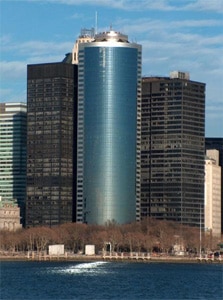
Field Law Group, P.C.
17 State Street, 40th Floor
New York, New York 10004
This website contains attorney advertising. Prior results do not guarantee a similar outcome, see Disclaimer.
Designed by PostcardMania
Field Law Group, P.C.
17 State Street, 40th Floor
New York, New York 10004
This website contains attorney advertising. Prior results do not guarantee a similar outcome, see Disclaimer.
Designed by PostcardMania
Field Law Group, P.C.
17 State Street, 40th Floor
New York, New York 10004
This website contains attorney advertising. Prior results do not guarantee a similar outcome, see Disclaimer.
Designed by PostcardMania